Integrating Lily Brushes .ABR into Your Digital Art Workflow
Digital illustration and graphic design rely heavily on the efficiency of your toolset. While software platforms like Photoshop and Procreate provide robust native engines, the specific character of your artwork is often defined by the custom assets you layer on top. This is where specialized resources like Lily Brushes .ABR become essential components of a professional creative pipeline. These are not merely decorative stamps; they are functional tools designed to streamline the creation of floral elements, allowing artists to maintain consistency while reducing manual rendering time.
For professionals, freelancers, and hobbyists alike, understanding how to integrate these assets into your existing workflow is key to maximizing their value. The package includes 22 distinct brushes in the universal .ABR format, ensuring compatibility across major industry-standard applications. By treating these brushes as part of a broader strategic approach to digital painting, you can enhance both the speed and quality of your output.
Understanding the Asset Package and Compatibility
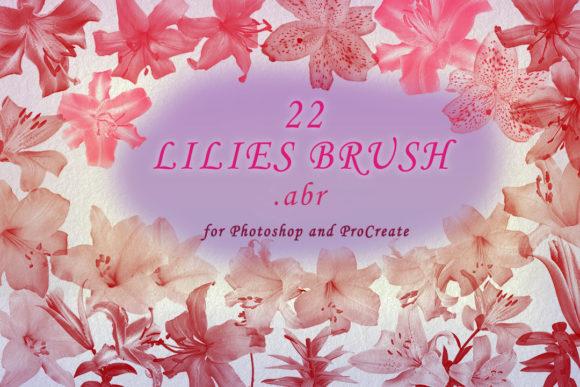
Before diving into creation, it is crucial to understand what you are working with. The Lily Brushes .ABR collection is delivered as a single ZIP folder containing 22 individual brush files. The choice of the .ABR format is significant because it serves as a bridge between different ecosystems. Whether you are working on a desktop setup with Adobe Photoshop or on a mobile device using Procreate, this format ensures seamless installation and performance.
Compatibility is a frequent pain point for digital creators who switch between devices. Many artists begin sketches on an iPad and finish them on a desktop, or vice versa. Using a unified brush set that functions identically across both platforms eliminates the friction of adapting to different stroke behaviors. When you install these lily flower brushes, you are establishing a consistent visual language that travels with you, regardless of the hardware you are using at any given moment.
The preview images provided with the download are not just for aesthetic appeal; they are technical references. They display the size and pressure sensitivity ranges of each brush. Reviewing these previews before installation helps you plan which brushes will serve as your primary tools for broad strokes and which will handle fine details. This preliminary assessment is a small but vital step in efficient project planning.
Preparation and Installation for Immediate Use
Efficiency in digital art begins with organization. The fact that this collection allows you to "install in one file" is a major workflow advantage. Instead of importing 22 separate items individually, which can clutter your brush library and disrupt your current workspace, the batch installation capability keeps your process clean.
For Photoshop users, this typically involves loading the .ABR file through the Brush Settings panel or simply double-clicking the file if your operating system associations are set correctly. In Procreate, the process is similarly straightforward via the import function. Once installed, take a moment to organize these new tools within your interface. Grouping them into a dedicated folder labeled "Lilies" or "Floral Assets" ensures they are accessible when needed but do not interfere with your standard ink or texture brushes during other phases of production.
This organizational step supports long-term usability. As your library grows, having clearly defined categories prevents the "search fatigue" that often slows down professional workflows. You should know exactly where your floral assets are located so that when a client requests a botanical element, you can retrieve the right tool instantly.
Strategic Application in the Creative Process
The utility of cut out lily flowers brushes extends beyond simple decoration. They can be integrated at various stages of a project, depending on your goals. Understanding when to deploy these tools can significantly impact your production timeline.
Conceptualization and Layout
In the early stages of a design, such as creating mood boards or rough layouts for wedding invitations, packaging, or editorial headers, speed is essential. Using pre-made lily brushes allows you to rapidly prototype compositions. You can test different arrangements of flowers without committing hours to hand-painting each petal. This rapid iteration helps you make better design decisions regarding balance, negative space, and color harmony before you move into high-fidelity rendering.
Enhancing Photographic Composites
For photographers and retouchers, these brushes are invaluable for compositing. If you are enhancing a portrait or a product shot with floral elements, using a high-quality .ABR brush ensures that the lighting and texture of the lilies match the resolution and style of your photograph. Because these brushes are designed with transparency and pressure sensitivity in mind, they blend more naturally than static PNG overlays. You can adjust the opacity and flow to match the ambient light of your scene, creating a cohesive final image that looks authentic rather than pasted on.
Texture and Background Generation
Beyond focal points, lily brushes can be used to create subtle textures for backgrounds. By lowering the opacity and scattering the stamps, you can generate organic, floral patterns that add depth to web banners, social media graphics, or print materials. This technique is particularly useful for marketers and bloggers who need unique, copyright-safe background assets that align with a spring or elegance-themed brand identity.
Workflow Integration and Efficiency Tips
To get the most out of Lily Brushes .ABR, consider how they interact with other tools in your arsenal. These brushes are not standalone solutions; they are part of a layered approach to digital art.
- Layer Management: Always paint your floral elements on separate layers. This non-destructive workflow allows you to adjust the position, scale, and color of the lilies without affecting the rest of your artwork. It also enables you to apply specific blending modes, such as Multiply or Overlay, to integrate the flowers seamlessly with underlying colors.
- Color Customization: While the brushes may come with default settings, their true power lies in customization. Use hue/saturation adjustment layers to shift the color of the lilies to match your project’s palette. This ensures that the assets feel bespoke rather than generic.
- Masking and Refinement: No brush is perfect for every context. Use layer masks to erase parts of the lily stamp that overlap incorrectly with other elements. This level of control is what separates amateur composites from professional-grade designs.
Consistency is another critical factor. If you are working on a series of images, such as a social media campaign or a book cover series, using the same set of 22 brushes ensures a uniform style. This visual consistency strengthens brand recognition and professional credibility. By standardizing your asset usage, you reduce the cognitive load of choosing new tools for every project, allowing you to focus on composition and messaging.
Quality Control and Long-Term Value
Investing in high-quality digital assets pays dividends over time. The cut out lily flowers brushes are designed to maintain clarity at various sizes, as indicated in the preview. However, it is good practice to test them at the intended output resolution. For print projects, ensure your canvas is set to 300 DPI to prevent pixelation. For web use, 72 DPI is standard, but you may still want to work at a higher resolution initially to allow for flexibility.
Regularly revisiting your brush library helps you discover new use cases. A brush you initially used for foreground details might work beautifully as a subtle background texture when scaled down and desaturated. Experimentation is key to unlocking the full potential of the 22 brushes included in the ZIP folder.
Furthermore, keeping your software updated ensures continued compatibility with the .ABR format. Both Adobe and Procreate frequently update their brush engines, and staying current guarantees that features like pressure sensitivity and tilt response function as intended.
Support and Community Engagement
Even with well-designed assets, questions may arise regarding installation or specific use cases. The creator, Svetlana, offers direct support for users who encounter issues. This human element is often overlooked in digital purchases but is vital for troubleshooting. If you experience installation errors or unexpected behavior in your specific version of Photoshop or Procreate, reaching out can save hours of frustration.
Engaging with the creator also provides an opportunity to give feedback. Developers often refine their products based on user experiences, so sharing your workflow insights can help improve future versions of the brush sets. This collaborative dynamic fosters a better ecosystem for all digital creators.
In conclusion, Lily Brushes .ABR represents more than just a collection of floral images; it is a productivity tool designed to enhance your creative workflow. By integrating these brushes strategically—whether for rapid prototyping, detailed compositing, or textured backgrounds—you can achieve higher quality results with greater efficiency. Proper installation, organization, and thoughtful application ensure that these assets become a reliable part of your digital toolkit, supporting your projects from concept to completion.