Mastering Digital Hair: A Deep Dive into Hair Brushes Procreate and Photoshop 20
Digital illustration has come a long way from the stiff, plastic-looking strands of the early 2000s. Today, audiences expect hyper-realism or stylized perfection in character design, and nothing breaks immersion faster than poorly rendered hair. This is where specialized tools like Hair Brushes Procreate and Photoshop 20 become indispensable assets for modern artists. Whether you are a concept artist working on a tight deadline or a hobbyist looking to elevate your portrait work, understanding how to leverage these digital tools can transform your workflow from tedious to intuitive.
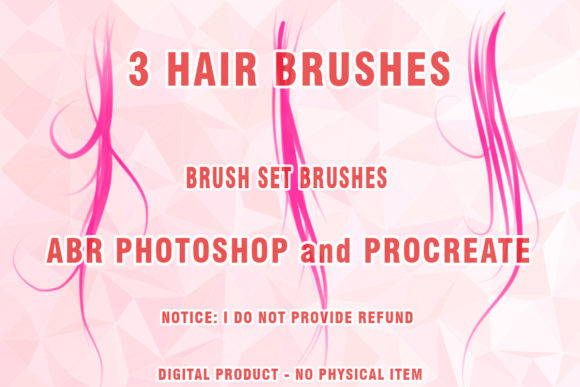
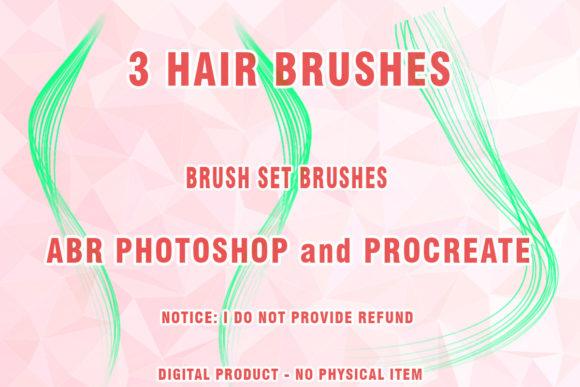
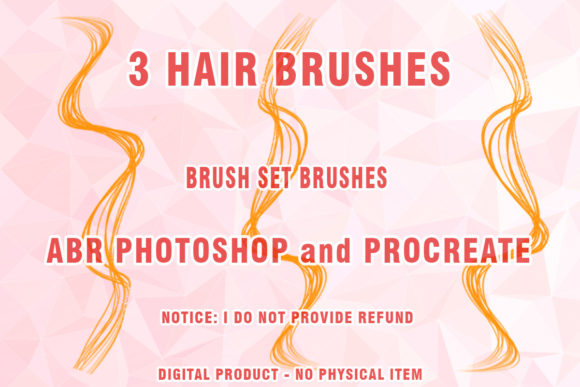
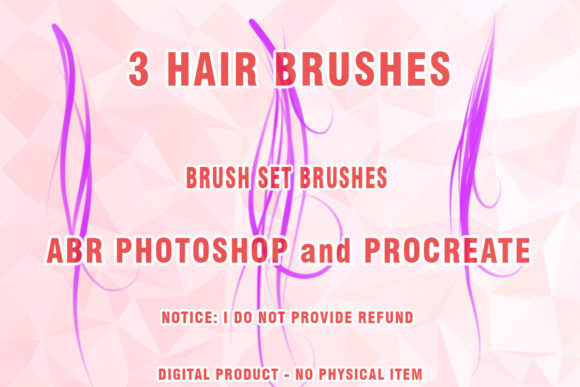
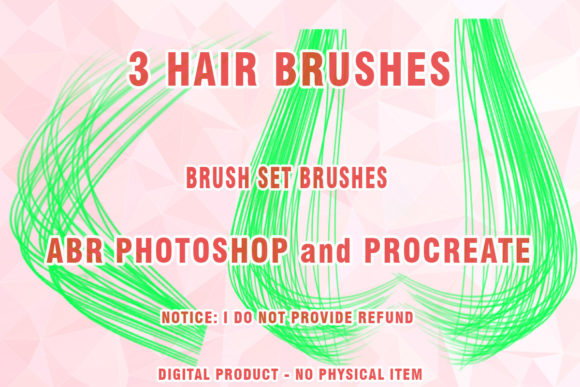
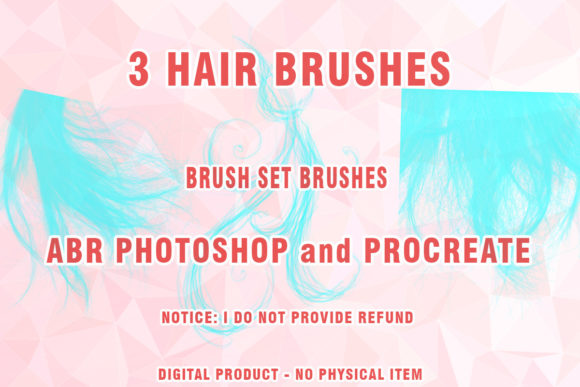
The core of this resource lies in its versatility. While the name suggests compatibility with Procreate and Photoshop, the inclusion of ABR Photoshop files means you are getting industry-standard brush engines that have been refined for precision. The set typically includes around twenty distinct brushes designed specifically for creating volume, texture, and flow, along with three specialized hairbrush variants that handle finer details like flyaways and split ends. Because this is a digital product, you download the file and receive the hair brushes in the .ABR format, compressed within a .ZIP archive for easy storage and transfer.
Why Specialized Brushes Matter in Character Design
Painting hair manually using a standard round brush is not just time-consuming; it is often counterproductive. Human hair is complex. It reacts to light, gravity, and wind in specific ways that are difficult to replicate with generic tools. When you use a dedicated Brush set designed for this purpose, you are essentially borrowing the physics engine of an experienced artist. These brushes are pre-configured with pressure sensitivity, opacity jitter, and shape dynamics that mimic the natural taper of a hair strand.
Consider the scenario of a freelance illustrator working on a comic book series. Time is money. Spending four hours painting individual strands for a single character’s mane is unsustainable. With Digital hair tools, that same task can be accomplished in forty minutes with higher consistency. The brushes allow for broad strokes to establish the main shapes and masses of the hair, followed by finer passes to add detail. This layering approach is crucial for achieving depth, preventing the hair from looking like a flat helmet stuck on the character’s head.
Real-World Applications Across Industries
The utility of Wigs Photoshop Brushes extends far beyond simple portraiture. Different industries benefit from these tools in unique ways, adapting the technology to fit their specific visual languages.
- Concept Art for Gaming and Film: In pre-production, speed is essential. Artists need to iterate through dozens of character designs quickly. Using Abr brushes allows concept artists to block in hairstyles rapidly, testing how different cuts affect the silhouette of a character without getting bogged down in rendering every strand. The focus here is on shape and readability, which these brushes facilitate beautifully.
- Fashion Illustration: Fashion designers and illustrators often need to showcase how hair interacts with clothing and accessories. The flow and movement captured by these digital tools help convey the elegance and dynamism of a look. Whether it is a sleek bob or voluminous curls, the ability to paint realistic textures adds a layer of professionalism to portfolio pieces.
- Book Cover Design: Romance and fantasy genres, in particular, rely heavily on expressive character art. The emotional impact of a scene is often amplified by the hair—wind-swept locks indicating turmoil, or perfectly coiffed styles suggesting status. High-quality Hair ABR files enable designers to create these emotive cues with greater ease and artistic control.
Navigating Compatibility and Technical Considerations
Before diving into your next project, it is vital to understand the technical landscape of these tools. The primary format provided is .ABR, which is native to Adobe Photoshop. However, the mention of Procreate compatibility requires a bit of clarification for users new to digital art ecosystems. While the core files are .ABR, many creators provide converted versions or instructions for importing similar brush dynamics into Procreate. If you are strictly a Procreate user, ensure you check if the package includes .brushset files or if you need to use a conversion tool.
For Photoshop users, the experience is generally seamless, but there are caveats. The description notes that this set may or may not work partially on very old versions of Photoshop that are no longer supported by developers, such as CS3 or earlier. This is a critical consideration. Modern brush engines utilize advanced features like wet mix, smoothing, and complex texture overlays that older software simply cannot process. If you are still running legacy software, you might find that the brushes load but lack the dynamic response that makes them valuable. It is highly recommended to use at least Photoshop CC 2018 or newer to fully exploit the capabilities of Photoshop 20 era brush technologies.
Additionally, because the files are compressed in .ZIP format, users on mobile devices (like iPads for Procreate) will need a file management app to unzip the archive before importing. This is a small hurdle but one that can confuse beginners who expect a one-click install.
Techniques for Maximizing Your Brush Set
Owning the tools is only half the battle; knowing how to wield them is the other. To get the most out of your Digital brush collection, consider adopting a layered workflow. Start with a large, soft brush to lay down the base color and shadow shapes of the hair. Think of this as the underpainting. Once the volume is established, switch to the medium-sized brushes from your set to define the major clumps and flows of hair. Hair rarely falls in individual strands; it falls in groups. Respecting these groups is key to realism.
Finally, use the finest tips of the Wigs ABR Photoshop brushes to add highlights and stray hairs. This step should be done sparingly. Over-detailing is a common mistake that leads to noisy, chaotic images. Use high-contrast colors for highlights only where the light source directly hits the curves of the hair. Observing real-life references or photographs can guide you in placing these highlights accurately. The brushes provide the texture, but your eye provides the logic.
Strengths and Limitations
Like any digital asset, this brush set has its strengths and potential limitations. On the positive side, the customization potential is high. You can adjust the spacing, scatter, and angle jitter of each brush to create unique effects that go beyond standard hair. They are excellent for creating not just human hair, but also fur, wool, and other fibrous textures, making them a versatile addition to any artist's toolkit.
However, reliance on preset brushes can sometimes lead to a "cookie-cutter" look if not used creatively. If every artist uses the same Painted hair settings without adjusting them to their specific style, artworks can start to look similar. To avoid this, always tweak the brush settings to match your personal aesthetic. Furthermore, while these brushes accelerate the process, they do not replace the need for fundamental knowledge of anatomy and light. A well-rendered hairstyle on a poorly constructed head will still look incorrect.
In conclusion, integrating Hair Brushes Procreate and Photoshop 20 into your digital arsenal is a strategic move for any serious illustrator. It bridges the gap between technical efficiency and artistic expression, allowing you to focus more on creativity and less on the mechanical repetition of drawing strands. By understanding the compatibility requirements, respecting the layered workflow, and applying these tools across various creative scenarios, you can achieve professional-grade results that captivate your audience.